Empowerment Coach: Life Coaching for Health and Health Goals
Becoming A Life Coach: Personal Advancement Guidance Assists You Open Your Full Prospective And Accomplish Your Objectives
Meaning and Introduction
Exactly what is life coaching!.?.!? At its core, it's a dynamic partnership between a coach and a customer, intended at opening possible and igniting improvement. Envision standing on the edge of a vast forest, not sure which path leads to your wanted location. A life coach serves as a compass, assisting you browse those twisting tracks with clearness and confidence.
The Essence of Life Coaching
Unlike therapy or mentoring, life coaching zeroes in on today and future, not the past. It's about asking the ideal concerns: What do you desire? What's holding you back? How can you break totally free from restricting beliefs? These questions stimulate self-discovery and actionable strategies.
Secret Parts
- Goal Setting: Defining clear, measurable goals.
- Responsibility: Tracking development and maintaining focus.
- Empowerment through self-awareness and strength.
- Strategic planning tailored to private strengths.
Anecdote
Consider Sarah, overwhelmed by profession crossroads. Through coaching, she understood her "impossible" dream was just an action away-- she simply required to reframe her mindset and prioritize her worths. Could you be one development discussion away from a totally new point of view?
Tracing the Roots of Life Coaching
Before the term life coaching was promoted, hunters of modification frequently turned to coaches or thinkers. Imagine ancient thinkers like Socrates, who used probing questions to open hidden potential-- doesn't modern coaching echo this classic pursuit? The development of life coaching intertwines psychology, inspiration, and individual development, weaving a tapestry that reflects humanity's endless pursue development.
Turning Points in Life Coaching's Advancement
- 1960s: Introduction of humanistic psychology, highlighting private capacity.
- 1980s: Introduction of performance coaching in sports and company.
- 1990s: Life coaching blossoms as a distinct occupation, incorporating NLP and goal-setting theories.
- 2000s: Certification programs standardize practices, fostering reliability.
Expert Insights on Advancement
Many assume that coaching is practically setting objectives. But have you discovered how reliable coaches unlock subconscious barriers? The subtle art lies in navigating the unmentioned-- those internal stories that screw up development. For circumstances, a customer when shared how accepting vulnerability throughout sessions moved their entire mindset. This is no coincidence; it's the transformative alchemy of trust and strategic questioning.
| Era | Secret Influence | Effect On Life Coaching |
|---|---|---|
| 1960s | Humanistic Psychology | Focus on self-actualization and personal potential |
| 1980s | Sports & & Efficiency Coaching | Goal-oriented methods and responsibility |
| 1990s | Neuro-Linguistic Programming (NLP) | Tools for reframing ideas and behaviors |
| 2000s | Certification Standards | Professionalism and ethical standards |
Ever questioned why some coaching conversations linger in your mind long after they end? The answer lies in the deliberate use of language patterns and emotional resonance, strategies improved over decades. Professionals frequently suggest mixing intuitive listening with structured questions-- this double method supports both clearness and creativity. As life coaching continues to evolve, its history reminds us to honor both ancient knowledge and modern-day development.
Core Concepts and Strategies
Have you ever observed how the act of goal-setting changes vague wishes into actionable plans? Life coaching prospers on this alchemy, turning ambiguous dreams into concrete actions. One concept that frequently goes undetected is the power of reflective listening. Rather of using options, a coach mirrors back the customer's sensations and thoughts, producing area for authentic insight. Imagine a client stuck in indecision; the coach's role isn't to direct but to assist them hear their own voice more clearly.
Methods like the GROW design provide a structured path: Objective, Truth, Options, Will. Yet, proficiency lies in knowing when to break this mold. Sometimes, a seemingly unrelated metaphor or an abrupt shift in questioning style can unlock covert point of views. Asking "If your future self could send you recommendations today, what would it say?" can reveal subconscious barriers.
Essential Practices for Efficiency
- Active questioning that obstacles restricting beliefs
- Developing accountability without judgment
- Balancing compassion with tactical insight
- Encouraging micro-commitments to develop momentum
One subtle however extensive insight: coaching isn't about filling a void however firing up inactive capacity. When customers feel heard and empowered, resistance fades. Ever questioned why some customers withstand change regardless of clarity? Frequently, it's worry camouflaged as comfort. Coaches proficient in recognizing these psychological barriers can guide clients to gently face them, turning hesitation into action.
Exploring Ranges of Life Coaching
Ever felt stuck in a loop, questioning which path to take next? Life coaching divides into diverse branches, each resolving specific personal development aspects. Think about profession coaching: it's not just about landing that task but sculpting a trajectory that resonates deeply with your values. Or consider relationship coaching, where communication serves as the bridge over rough waters.
Here are some nuanced types worth noting:
- Wellness coaching: Beyond diet and exercise-- it's about syncing mind, body, and spirit.
- Executive coaching: Customized for leadership refinement and browsing business labyrinths.
- Spiritual coaching: Assisting candidates through existential crossroads and inner clearness.
Isn't it curious how one's goals might require a blend of these? Keep in mind, coaching isn't a one-size-fits-all sweater; it's a bespoke suit crafted for your unique shapes. A subtle suggestion from the field: constantly clarify your coach's specialization to prevent wandering in vague areas. Why settle for generic guidance when precision unlocks improvement?
Opening Possible: How Life Coaching Transforms
Ever felt stuck in a loop where goals appear alluring yet inaccessible? Life coaching carves a path through the fog by sharpening focus and sparking inspiration. Think of a gardener pruning branches to promote development-- likewise, a coach helps you trim psychological mess, cultivating clarity. This isn't about fast fixes; it's about sustainable improvement rooted in accountability and insight.
Why Does Life Coaching Work?
At its core, coaching taps into the power of deliberate dialogue. Questions like "What's really holding you back?" unsettle complacency and provoke new point of views. When the typical responses fail, life coaching encourages you to rewrite your narrative. It's a vibrant procedure where the coach acts as a mirror, reflecting hidden strengths and blind areas alike.
Expert Tips to Maximize Efficiency
- Set micro-goals: Break down aspirations into workable steps to construct momentum.
- Engage in reflective journaling post-session to deepen insights.
- Welcome pain as a signal of growth, not failure.
- Frequently review and change your action plan to remain aligned with progressing top priorities.
Determining Impact Beyond Surface Metrics
| Aspect | Before Coaching | After Coaching |
|---|---|---|
| Self-awareness | Minimal acknowledgment of internal barriers | Increased understanding of feelings and activates |
| Decision-making | Reactive and inconsistent choices | Deliberate, confident, and values-aligned choices |
| Objective Achievement | Frequent procrastination and uncertainty | Clear milestones with sustained progress |
Does not the concept of having a dedicated ally to dissect your state of mind seem revolutionary? Getting rid of the doubt to ask for aid often marks the first leap towards empowerment. As one client when stated, "It resembles discovering a map when you thought you were wandering aimlessly." That map is the plan life coaching supplies-- one that deciphers complexity and promotes genuine growth.
Training and Accreditation in Life Coaching
Have you ever wondered why some life coaches seem easily instinctive, while others stumble through generic suggestions? The secret lies in extensive training and certification processes designed to sharpen critical skills. The path is not simply about ticking boxes; it has to do with mastering strategies that change lives. Numerous ambitious coaches underestimate the complexity of finding out to ask the best concerns-- an ability that can unwind ingrained beliefs and open fresh point of views.
Consider this: a well-structured certification program typically includes more than theoretical understanding. It requires immersive role-playing, real client sessions, and reflective journaling. These techniques sharpen a coach's capability to listen deeply and respond authentically. Without such training, even the very best objectives can fail.
Professional Tips for Navigating Accreditation
- Select programs stressing practical application over rote memorization.
- Try to find curricula integrating neuroscience and psychology for a holistic approach.
- Look for coaches who challenge your assumptions and motivate vulnerability.
- Take part in peer coaching to fine-tune feedback skills and build empathy.
Why does accreditation matter beyond a fancy credential? It creates a foundation of trust between coach and customer. Imagine strolling into a session where your coach's concerns feel like secrets opening your own wisdom. That level of expertise does not appear over night; it's crafted through disciplined training and continuous learning.
Ethical Considerations in Life Coaching
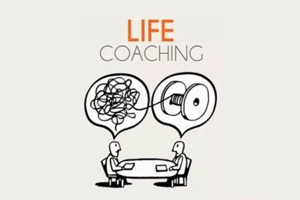
What happens when a life coach crosses the great line between guidance and overreach? Envision a coach who, eager to help, accidentally imposes individual beliefs on a client. This subtle invasion can deteriorate trust, the foundation of any coaching relationship. Keeping privacy isn't simply a best practice-- it's an unspoken pact. Customers share their inmost fears and aspirations; mishandling this spiritual details fractures the very structure required for development.
Experts emphasize the value of clear borders. Here are important ethical concepts every coach must internalize:
- Openness: Clearly specify functions to prevent confusion in between coaching, therapy, or mentoring.
- Respect client autonomy-- empower, don't dictate choices.
- Acknowledge limitations; refer customers to specialists when issues exceed coaching scope.
- Practice continuous self-reflection to safeguard versus unconscious bias.
One subtle trap? Over-promising results. Coaching is a journey, not a magic wand. Ethical coaches accept unpredictability and foster strength instead of guarantees. How often do coaches challenge their own presumptions before advising? This self-questioning safeguards customers from being nudged toward courses misaligned with their authentic selves.
Unveiling the Subtleties Behind Life Coaching's Critiques
Why does life coaching often face uncertainty regardless of its growing appeal? Some argue it promises change without concrete tools. The reality lies in nuanced understanding. Think of a tourist handed a map however no compass-- without self-awareness, the map is simply paper. Coaches need to adjust their techniques to each person's internal compass, not simply provide generic advice.
Addressing the psychological fog clients battle with is crucial. Here's a secret lots of neglect: the journey isn't direct. Development can zigzag, which frustrates those expecting fast fixes. The specialist suggestion? Stress iterative reflection over instant outcomes. Ask, "What small shift altered your point of view today?" This question opens insights concealed below surface-level objectives.
Strategies to Browse Coaching Complexities
- Clarify Expectations: Specify what coaching can realistically achieve early on.
- Encourage Responsibility: Self-driven actions outshine passive hope.
- Highlight Emotional Intelligence: Coaches who promote emotional literacy improve customer resilience.
- Customize Structures: Avoid one-size-fits-all; tailor techniques to personality and context.
- Promote Constant Feedback: Adjust sessions dynamically to customer needs.
Numerous clients stumble by measuring success through external recognition instead of intrinsic growth. A beneficial metaphor: life coaching isn't a magic wand however a mirror reflecting one's untapped capacity. When that mirror cracks under unrealistic pressure, disillusionment sets in. For that reason, cultivating persistence along with aspiration is important.
Emerging Horizons in Life Coaching
Picture a world where AI-driven analytics translate your psychological patterns before you even understand them yourself. This isn't sci-fi-- it's sneaking into the world of life coaching. Will Smart Coaching coaches quickly depend on data streams and biometric feedback to customize sessions with razor-sharp accuracy? The concept might agitate traditionalists but rejuvenates those craving deeper, personalized transformation.
What about virtual truth immersion? Photo customers entering a simulated environment developed to confront fears or practice success situations. This immersive method, blending neuroscience and experiential knowing, is a game changer. It requires you to ask: How far can technology enter facilitating genuine self-discovery?
Tech-Enhanced Coaching Tools
- AI-powered chatbots providing 24/7 micro-coaching pushes
- Wearables keeping track of tension and focus levels for real-time interventions
- Interactive journaling apps integrated with sentiment analysis
- Virtual group coaching platforms allowing global peer synergy
However, the essence of coaching-- compassion, intuition, and human connection-- must remain intact. A story: a client once told me how a VR session helped them rehearse a difficult discussion, turning anxiety into empowerment. This mix of development with heart is where future life coaching thrives.